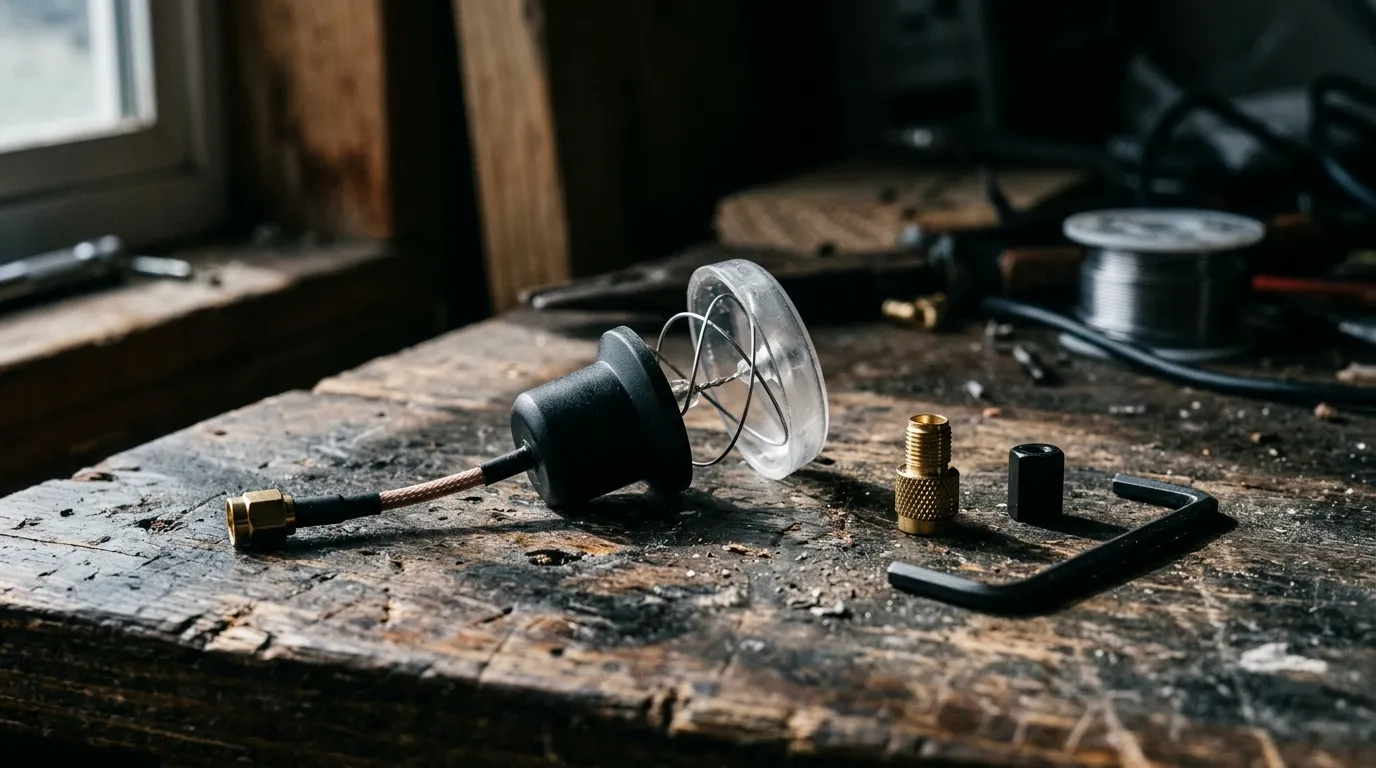
5.8 GHz Antenna Gain and Beamwidth, Explained
What dBi, dBic and beamwidth really describe on a 5.8 GHz FPV antenna, why +6 dB is not double the range, and how to read a spec sheet before you buy.

MASA JOURNAL
Understand FPV video systems, from on-screen data to the path between camera and display.
What dBi, dBic and beamwidth really describe on a 5.8 GHz FPV antenna, why +6 dB is not double the range, and how to read a spec sheet before you buy.
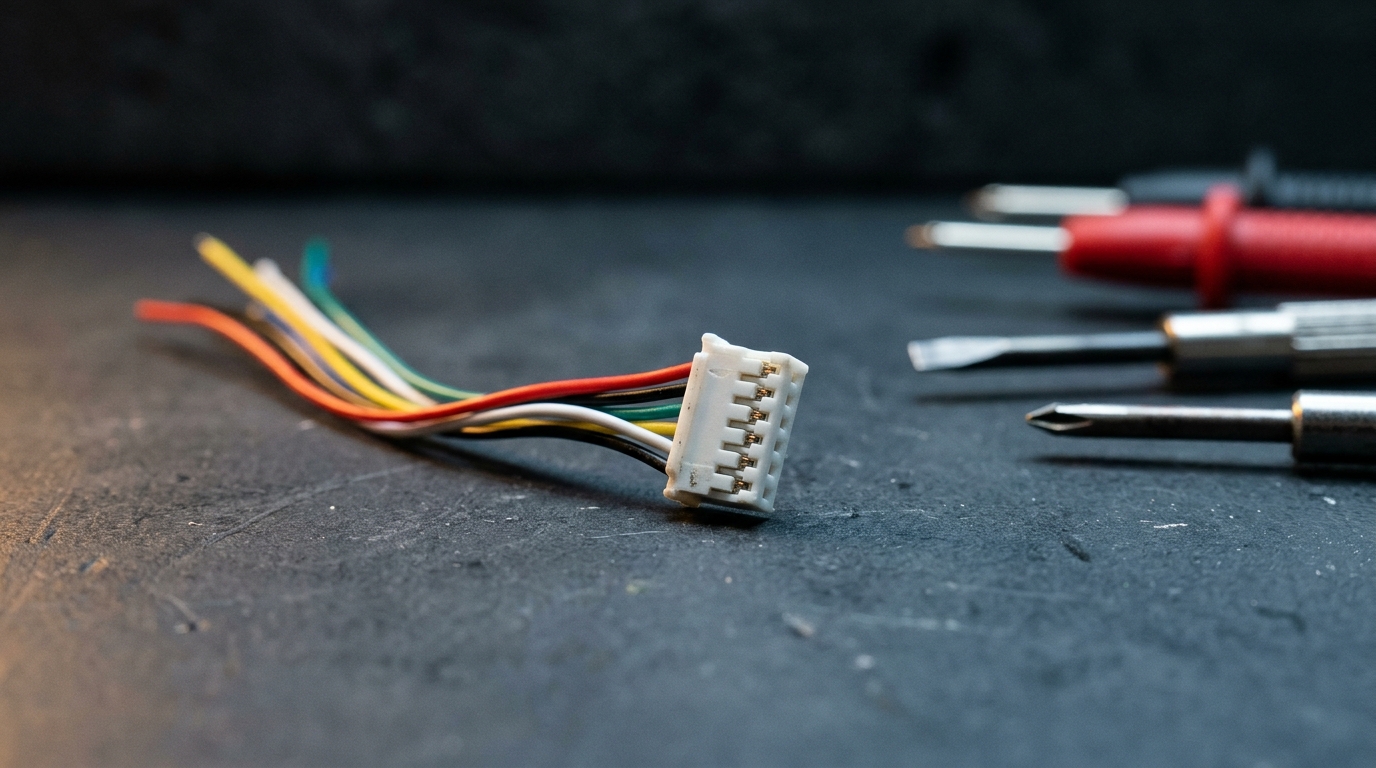
Camera to VTX wiring, conductor by conductor: verify the pin order, choose where camera power comes from, and return the ground to whatever supplies it.
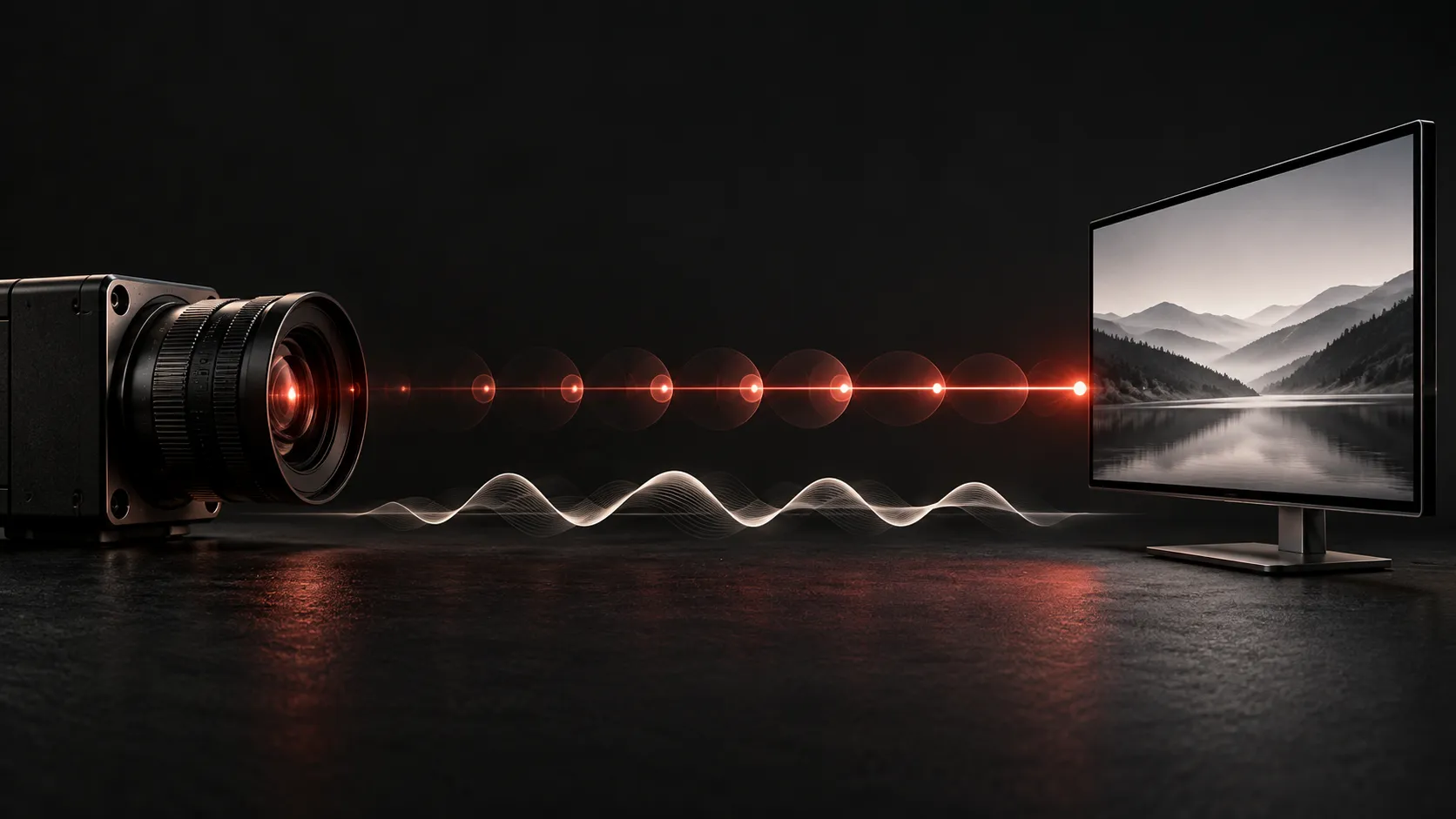
Understand analog FPV latency from camera exposure to goggle display, compare timing claims fairly, and record the setup behind a useful end-to-end test.
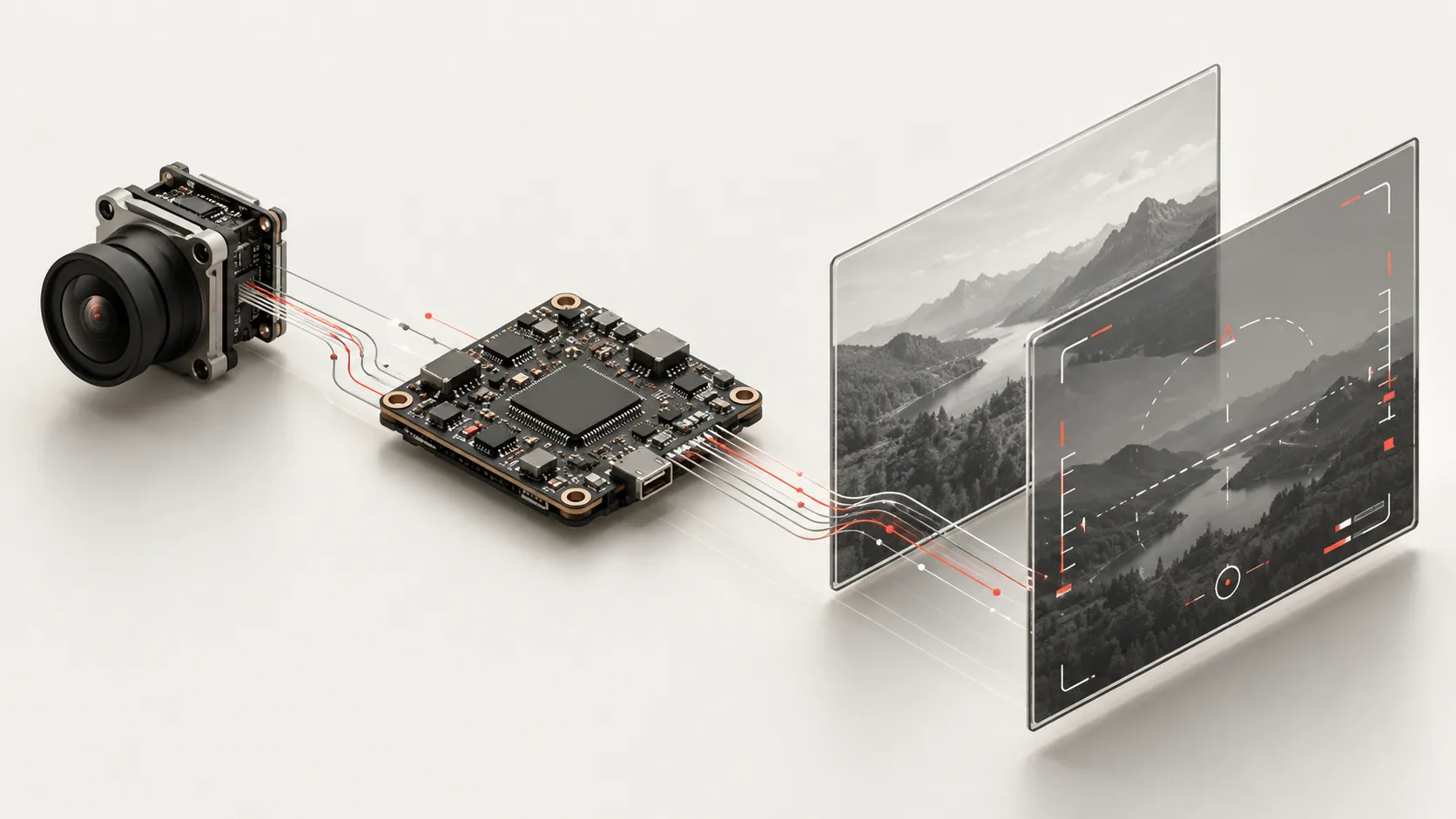
Learn where FPV OSD data comes from, how analog and digital overlays work, and how to separate sensor, display and video-path issues before changing settings.
Find the guidance you need to understand your FPV video system.
Wiring, protocols and on-screen data.
Antenna types, gain, polarization and connector fit.
Trace video symptoms and understand which components to check.
Coming soonHow the two video links differ.
Wavelength, antenna size and link budget across frequency bands.
Coming soonPower requirements, thermal management and compliance considerations.
Coming soonBand, power, antenna and receiver choices for different applications.
Coming soonSupplier evaluation and procurement considerations.
Coming soonCONTINUE THE CONVERSATION
Send the model reference and your questions to the MASA team.